
Cabinet Buying Guidance in Westminster, MD
Focus your cabinet brief on the purchase decision in front of you.
Send my cabinet inquiry
Or call (562) 203-3232. Calls only, we do not receive text messages.

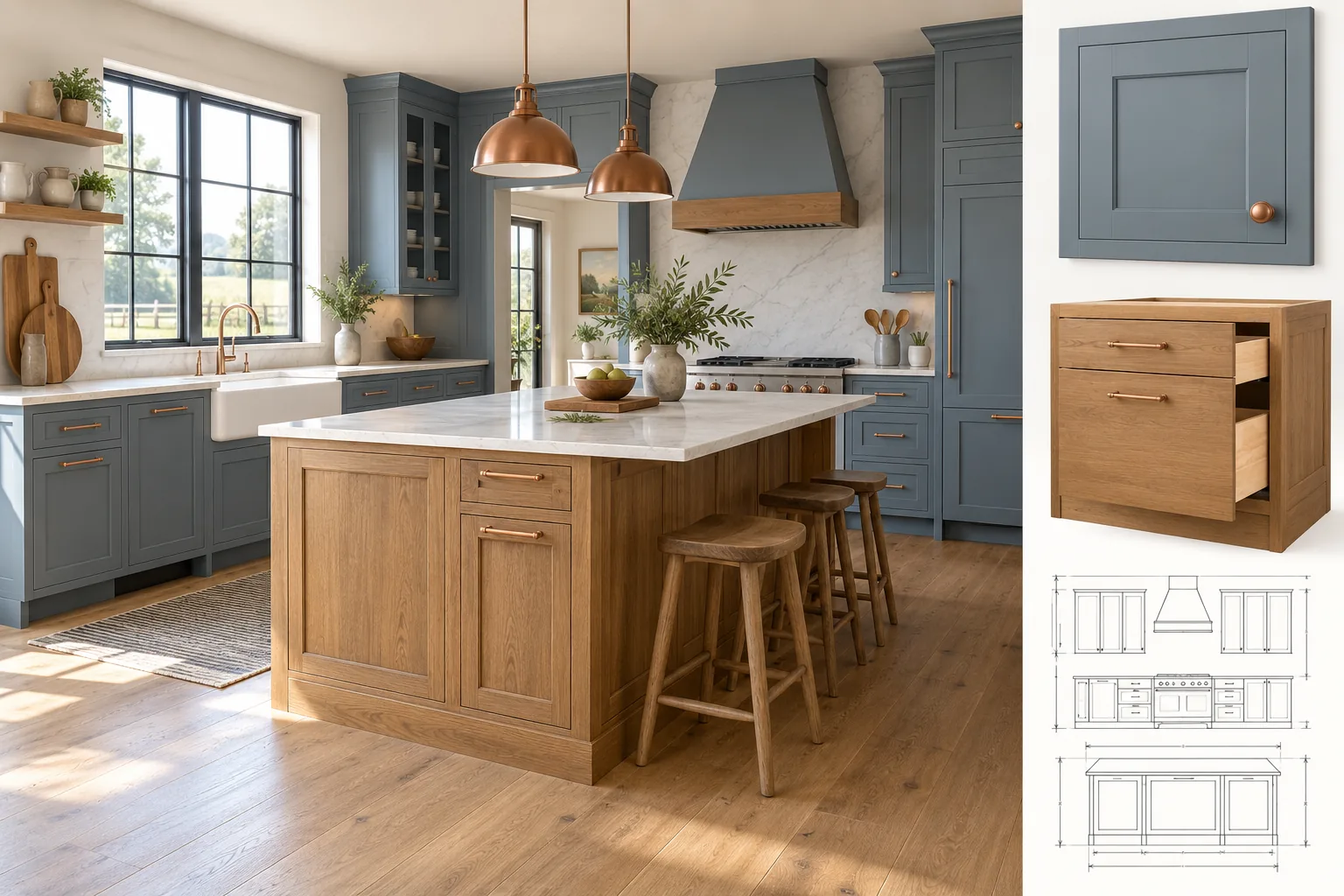
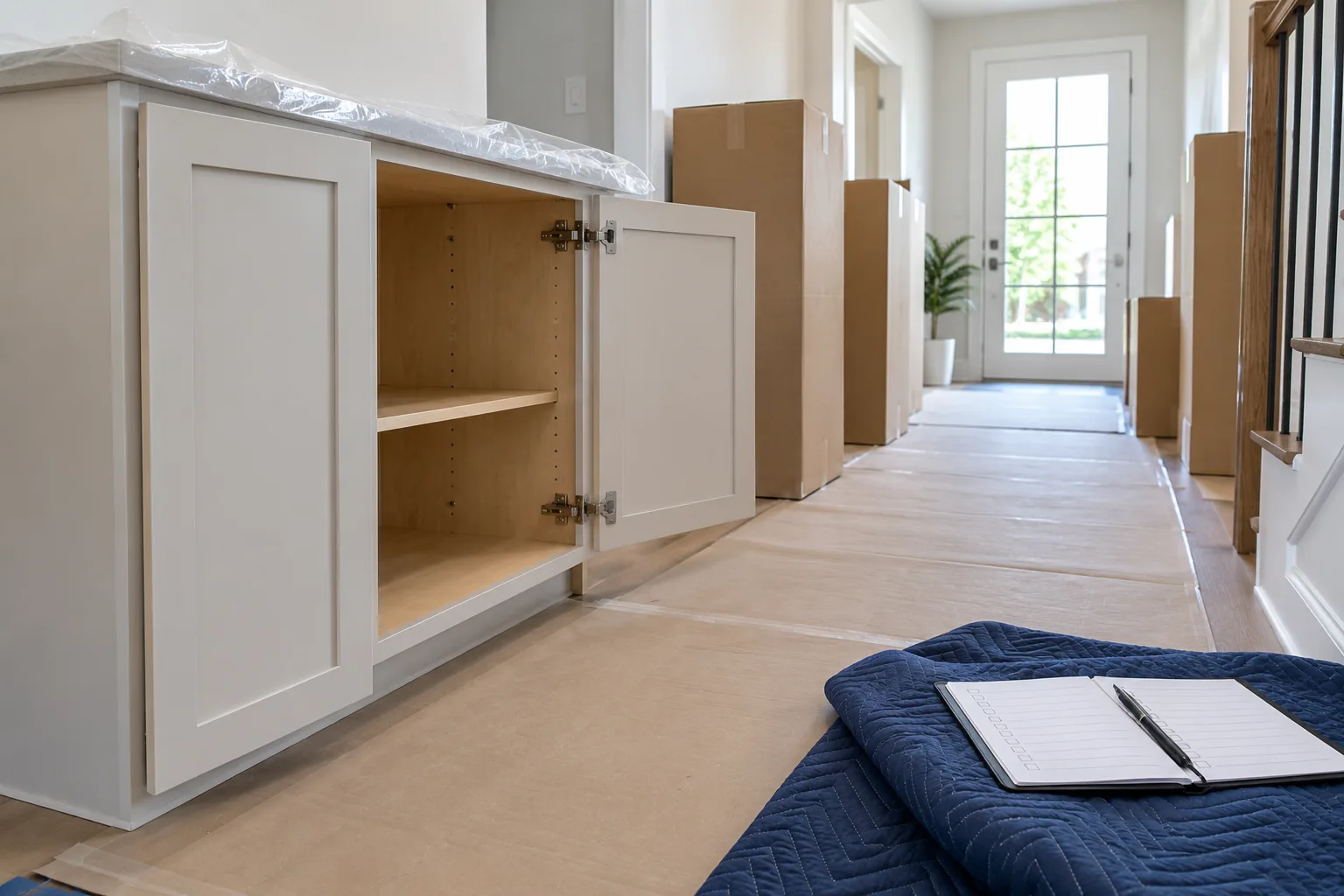
Cabinet product illustrations
Illustrative product visualizations, not completed work, local properties or supplier facilities.
Prepare the purchase before choosing a supplier
A useful request does more than name a style. It keeps dimensions, product choices, finish pieces, delivery terms, and separately arranged work in distinct columns. That structure lets a buyer revise one choice without losing track of what else changed, and it gives each seller the same basic question to answer. Details submitted through the form are recorded for the site operator or owner to review; submission does not automatically send the request to a seller.
About Westminster Cabinet Compass
Know who handles each part
Independent cabinet buying information and quote-request service. We do not manufacture, stock or install cabinets. A referral, supplier response, appointment or purchase is not guaranteed. Product availability, delivery and installation must be confirmed directly with the seller or separately engaged contractor.
Start with the decision you are actually making
Begin by writing a one sentence project statement. For example: “Replace the kitchen wall and base cabinets while keeping the current refrigerator and range.” That statement identifies the room, the cabinet scope, and two retained appliances without pretending the layout is final. Add the stage of the decision: exploring configurations, gathering comparable quotes, or reviewing a seller revision. A seller needs a different level of detail at each stage.
Next, separate facts from working assumptions. A measured wall length supplied by the person responsible for the property belongs in the fact column, along with the date and the drawing version. A hoped for island, an undecided pantry, or a possible appliance change belongs in the assumptions column. Marking the difference prevents an attractive concept from becoming an accidental order instruction.
Finish the first page of the brief with the people involved. Name the purchaser, the person who will verify final dimensions, and the receiving contact. If those roles belong to different people, say so. Westminster Cabinet Compass can help organize an inquiry, but it cannot decide who has authority over a property or approve dimensions for an order.
Create a schedule that sellers can read the same way
A product neutral schedule gives every seller a stable starting point. List each cabinet by room and wall, then record its general type, intended width, door or drawer configuration, finish direction, and any known interior accessory. Keep fillers, finished panels, toe kicks, trim, decorative ends, and hardware on their own lines. These pieces are easy to overlook even though they can affect both appearance and the amount charged.
Use item identifiers such as “sink wall base one” rather than a seller’s model number until a particular line is proposed. If a seller substitutes a different size or construction, add a revision note instead of overwriting the earlier entry. A short log can say what changed, who requested it, and which quote version reflects it. That makes a later subtotal understandable.
Retained appliances and sinks need their own entries with manufacturer documents or dimensions supplied by the responsible party. The IKEA planning guide, for example, tells buyers to bring room measurements and the dimensions of appliances they plan to keep. That is a useful preparation practice. It does not mean this site measures the room or verifies that a proposed cabinet fits.
Compare the full cost, not one subtotal
Cabinet product price is only one part of a purchase. Ask each seller to identify the boxes, doors or fronts, shelves, panels, fillers, trim, accessories, and finish upgrades included in its proposal. Then ask whether freight, pickup, delivery, assembly, carrying, storage, tax, or damage handling appears in that amount or somewhere else. A low subtotal can be accurate and still describe a smaller scope.
Keep labor outside the product comparison unless a named provider has included it in writing. Demolition, wall preparation, plumbing, electrical work, installation, countertop work, and disposal may be separate decisions with separate responsible parties. Mixing those amounts into an unlabeled total makes it difficult to compare products and can hide an exclusion that matters later.
The FTC recommends obtaining multiple written estimates and comparing the scope, materials, completion information, and price. Apply that discipline by putting equivalent line items next to one another and circling every blank. Any amount discussed during planning is an estimate, subject to change, and the seller’s written quote controls the final price for the exact products and terms it accepts.
Close open questions before a handoff
Before sending an inquiry, read it as if the recipient knows nothing about the project. Can the reader identify the room, current drawing, cabinet list, retained appliances, finish direction, delivery address, and purchaser? Can the reader also see which measurements or compatibility questions remain unresolved? If an answer depends on a seller, carrier, property contact, or separately engaged professional, direct the question to that party by name or role.
A compact handoff checklist can prevent avoidable ambiguity: attach the current schedule; label the drawing revision; include appliance and sink information; state whether pickup or delivery is being considered; name the receiving contact; request an itemized list of inclusions and exclusions; and ask how substitutions will be documented. Do not treat silence as agreement. A missing answer stays open.
When a revision returns, compare it with the prior version before looking at the new total. Check quantities, cabinet construction, finish, panels, accessories, freight, and any assumptions. Save both versions. That record gives the buyer a defensible reason for choosing the next question, even when no supplier relationship, availability, referral, or response has been established.
Plan the receiving day without assuming delivery terms
A quote request becomes more useful when it describes the proposed handoff. Provide the exact receiving address, a contact who can answer on arrival, and any known questions about parking, stairs, elevators, doorways, or a secure storage area. Describe these as items for confirmation. A city or county name does not prove that a seller will deliver there or that a carrier will accept a particular route.
Ask the seller how the order will be packaged, how many pieces or cartons to expect, where its responsibility ends, and what inspection or damage reporting steps apply. If pickup is an option, identify the vehicle, loading responsibility, and protected storage plan before choosing it. These answers can affect a purchasing decision even when the cabinet schedule itself stays the same.
The receiving record should name the person who will compare the arriving labels and visible condition with the order documents. It should also preserve photographs and seller instructions when appropriate. Those steps are planning questions, not a promise by Westminster Cabinet Compass to deliver, inspect, store, or resolve a claim.
Inquiry process
From buying questions to a possible supplier quote
Sending an inquiry does not reserve products or book work.
Describe the purchase
Include project ZIP, room, approximate cabinet list and preferred timing.
Clarify requirements
Identify assembly, access, measurements and any separately arranged labor.
Confirm referral availability
An inquiry can be referred only if a suitable seller accepts the location and product request.
Review seller terms
Confirm the final drawing, itemized price, payment, delivery and return terms directly before ordering.
Local buying information
Local inquiry guides
Questions
Questions Westminster homeowners ask
What details make an initial cabinet inquiry useful?
State the room, the decision stage, the cabinet categories being considered, known appliance or sink information, the exact project address, and the questions that remain open. Attach a dated schedule or drawing if one exists. Label assumptions clearly so the recipient does not mistake them for verified dimensions or final selections.
Does an inquiry include field measurements?
No. An inquiry may contain dimensions provided by the buyer or another responsible party, but Westminster Cabinet Compass does not perform or certify a field measure. The person responsible for final ordering should identify who will verify the room, openings, utilities, appliances, clearances, and proposed cabinet dimensions before purchase.
Which costs belong outside the cabinet price?
Freight, pickup or delivery, assembly, carrying, storage, demolition, installation, plumbing, electrical work, countertops, disposal, and taxes may be separate. Ask the seller to show what is included and excluded. Keep separately contracted labor on its own line so a product subtotal is not mistaken for a complete project cost.
Is a supplier response or referral guaranteed?
No. Submitted details are recorded for the site operator or owner to review. The form does not reserve products, automatically send the request to a seller, establish a dealer relationship, or guarantee a response or introduction.
Send my cabinet inquiry
Or call (562) 203-3232. Calls only, we do not receive text messages.
Talk to us about your project
Describe the purchase and project ZIP in Westminster. Supplier acceptance and any referral are confirmed separately; no visit or quote is booked by this form.
Calls only, we do not receive text messages.